





Key ideas
- NASA announced changes to its Small Business Supplier Development Program to facilitate participation and direct assistance toward capabilities it considers necessary for its missions.
- Boeing will fund a mentoring agreement worth about $500,000 that will provide structured assistance to GRACE Aerospace.
- The announcement does not quantify environmental benefits; the EPA references provide general frameworks, not an assessment of the agreement.
What NASA Announced
NASA said it is strengthening its recently renamed Small Business Supplier Development Program as part of the evolution of its work with small businesses. The agency links the program to strengthening the domestic aerospace industrial base to support future exploration missions. It also announced a new Mentor-Protégé agreement between The Boeing Company and GRACE Aerospace.
The agency says it will simplify the application process, reduce administrative requirements, accelerate review and approval timelines, and improve incentives for prime contractors to participate. It presents these measures as a way to make supplier development more accessible, efficient, and aligned with its mission needs. The announcement does not quantify how much timelines will change or how many companies might participate.
Dwight Deneal, deputy administrator of NASA’s Office of Small Business Programs, described the redesigned program as a mission-focused tool intended to strengthen the industrial base’s readiness and mission success. He also said assistance will focus on capabilities that NASA considers priorities. These are objectives stated by the agency, not outcomes that have already been evaluated.
The Agreement Between Boeing and GRACE Aerospace
Under the announced agreement, Boeing will provide structured assistance to help GRACE Aerospace expand its capabilities as a supplier of aerospace components considered critical to missions. Boeing will fund the agreement, valued at about $500,000. The announcement does not detail the collaboration’s duration, the specific components to be developed, or the indicators that will be used to assess its progress.
According to NASA, GRACE will draw on two decades of experience supporting customers in the defense and aerospace sectors to prepare for increasingly complex space and aerospace programs. Pauline Sevigny, the company’s president and owner, expressed her gratitude for being involved and her interest in learning from industry experts. The announcement reports the parties’ statements and plans, but provides no data to determine the future effect of the mentoring.
Boeing said it expects to share knowledge to support GRACE’s growth and strengthen its own supplier base. The available information does not specify what proportion of the assistance will be technical, training-related, or of another kind.
What the Sustainability Framework Allows Us to Say
Sustainable manufacturing is defined as the production of goods through economically viable processes that minimize negative environmental impacts and conserve energy and natural resources. This approach also considers the safety of workers, communities, and products.
From this perspective, strengthening suppliers may be relevant to industrial capacity, but NASA’s announcement does not show that the agreement reduces emissions, energy consumption, waste, or material use. Nor does it report changes in occupational or environmental safety. Therefore, the stated objective of developing supply capabilities must be distinguished from any measured environmental benefit.
Sustainable materials management adds a life-cycle perspective: it considers the acquisition of raw materials, the manufacture of materials and products, use, reuse and maintenance, as well as waste management. Examining these stages can help identify opportunities to reduce environmental impacts and conserve resources. EPA: sustainable materials management Without information about GRACE and Boeing’s products or processes, this framework cannot determine the agreement’s environmental effects.
| Aspect | What NASA Reports | What the Announcement Does Not Document |
|---|---|---|
| Supplier program | Simplified applications and requirements, faster review and approval, and improved incentives for prime contractors | The scale of the changes, a detailed timeline, or implementation outcomes |
| Mentoring agreement | Boeing will fund structured assistance to expand GRACE’s capabilities; valued at about $500,000 | Duration, specific activities, and performance indicators |
| Environmental impact | The program is linked to strengthening the aerospace industrial base | Quantified reductions in energy use, emissions, waste, or material consumption |
Scope of the Announcement
The news describes a supplier development initiative and a specific agreement between Boeing and GRACE Aerospace. Its connection to sustainability is limited to the industrial-strengthening dimension that NASA attributes to the program. EPA’s references provide general criteria for considering manufacturing and materials life-cycle impacts, but do not independently corroborate the agreement’s effects or support the conclusion that it produces environmental benefits.
The announcement should be read as an institutional description of measures and objectives, not as an impact assessment. Evaluating its environmental contribution would require data on materials, energy, waste, emissions, or other relevant indicators, as well as information on how these change over time. The cited sources do not provide those measurements. Consequently, the agreement’s environmental scope cannot be established from the available information.
What we know and its limits
The primary information comes from NASA’s institutional announcement and describes objectives, planned changes, and a mentoring agreement; it does not present an independent evaluation or measured environmental outcomes. The EPA references define general frameworks for sustainable manufacturing and materials management, but provide no evidence about the effects of NASA’s program or the agreement between Boeing and GRACE Aerospace.
Original sources3
The original sources for exploring this explanation and its limits.
- Industry: What Sustainable Manufacturing Means EPA
-
Sustainable materials management basics
EPA
Institutional reference for context. It does not constitute independent confirmation of the main source's findings. - NASA Enhances Supplier Program, Announces Mentor-Protégé Agreement NASA
Image credits
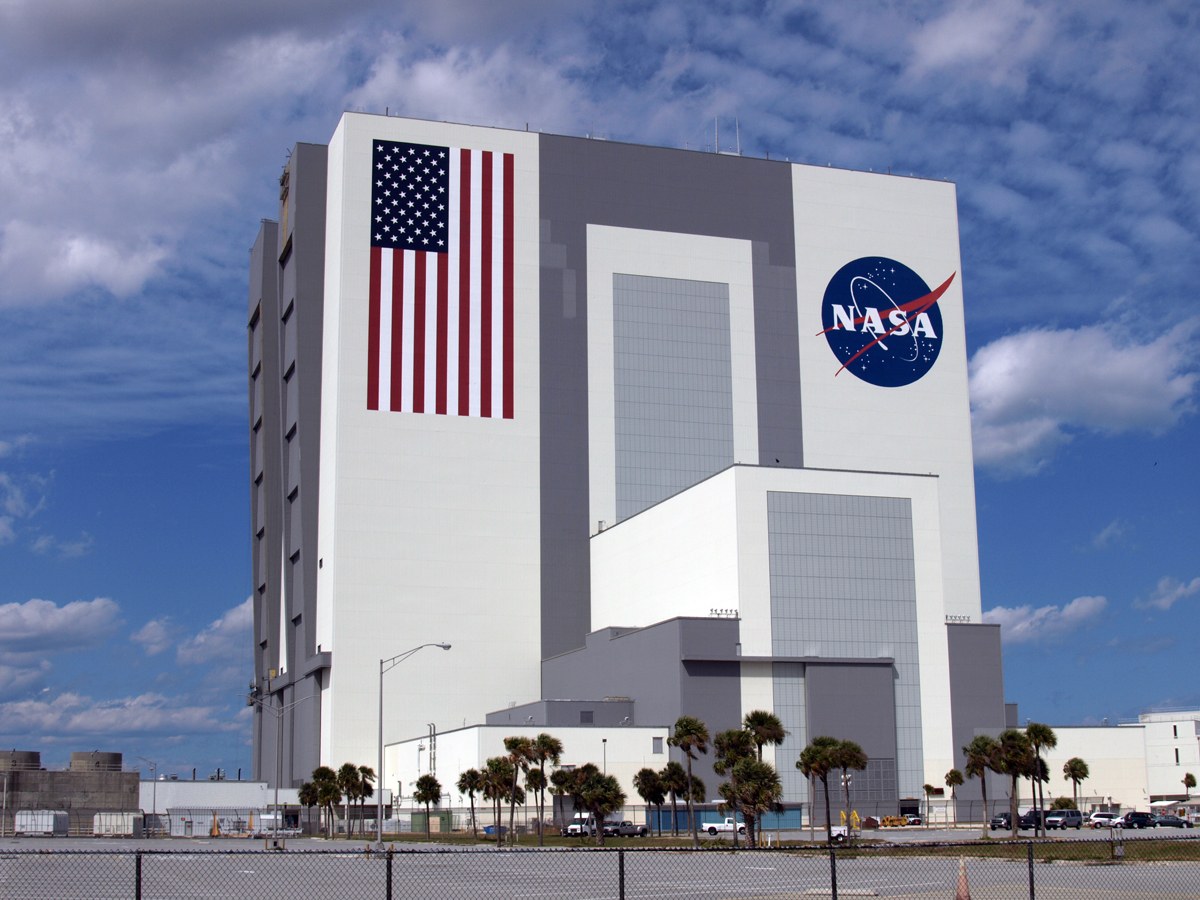
Kennedy Space Center 39 · Gillfoto · Wikimedia Commons · CC BY-SA 3.0 · Original source · CC BY-SA 3.0 · Resized and re-encoded as JPEG; full framing preserved.