





Key ideas
- Biomass is renewable organic matter from plants and animals, with resources that include wood, crops, waste, and manure.
- Direct combustion is the most common method; thermochemical, chemical, and biological conversions are also used.
- Possible products include heat, electricity, biodiesel, ethanol, and biogas.
What resources does bioenergy encompass?
Bioenergy uses matter of biological origin to provide energy services. The EIA introduction to biomass includes wood, agricultural waste, food scraps, and materials such as manure or wastewater. Grouping them under one term does not mean they have the same composition, availability, or environmental effects.
Feedstock and process must be considered together. Wet waste presents a different technical challenge from dry wood; producing a gas is also not the same as obtaining usable electricity. Before comparing options, it is helpful to specify what goes in, what transformation takes place, and what the final product is.
Several conversion pathways
The EIA distinguishes direct combustion from processes that convert biomass into other fuels. Combustion releases thermal energy; that energy can be used in a system that delivers heat or generates electricity. Conversion does not eliminate the need to identify emissions, equipment, and conditions of use.
Gasification produces a gas mixture through thermochemical conversion. Pyrolysis, carried out without oxygen, can produce liquid, solid, and gaseous products. Fermentation uses biological processes to produce fuels such as ethanol. Anaerobic digestion converts organic matter without oxygen through microorganisms and generates biogas. These are distinct pathways, not interchangeable terms for burning any kind of waste.
The table organizes these qualitative differences based on the EIA. It does not assign universal yields: these depend on the resource, technology, moisture, treatment, and use of the product. Comparing only the energy contained in the feedstock with the electricity delivered would conceal steps in the system.
Renewable does not mean emissions-free
The EIA page on biomass and the environment notes emissions associated with combustion and issues related to land use. The fact that carbon is of biological origin does not make CO₂ disappear when released. The relationship with absorption during growth must be examined under specific conditions and over specific time scales, without turning a renewable-resource label into a guarantee of a zero climate balance.
This distinction avoids two opposite oversimplifications: claiming that all bioenergy is automatically neutral or concluding that all its pathways have the same outcome. We need to identify the specific scenario, the material's alternative destination, and the stages included. Without those data, we cannot calculate emissions savings or make a numerical climate comparison.
The Life Cycle Initiative provides a framework for examining a product from resource extraction through use and end of life. Applied to an energy question, it requires stating the boundaries of the analysis and not extrapolating a partial advantage to the system as a whole. This reference is methodological; it does not validate a specific facility's performance.
Waste and fuels require a specific question
Using a material that would otherwise be discarded can change the comparison, but we need to say what would have happened to it. It may also have other uses. Therefore, the word waste alone is not enough to show that a resource has no alternative value or that using it for energy is always the preferable option.
Moisture and composition determine which treatment is appropriate. The term biogas identifies a product of a conversion, not a uniform quality ready for any application. Further treatment and the equipment used remain part of the system we need to study.
How to interpret a bioenergy claim
A useful document identifies the resource's origin, quantity and period, conversion process, products, end use, and included emissions. If it claims an environmental improvement, it should state what alternative it was compared with and what method was used. An energy-production figure without these conditions does not, by itself, resolve the assessment.
The article's outline proposes this sequence of questions. It is not a plant design or a recommendation for processing waste. The references expand on mechanisms and the limits of the analysis, while assessing a facility's performance would require its own operating data. A good explanation keeps the boundary between general principles and measured results visible.
| Pathway | General transformation | Product or utility to be specified |
|---|---|---|
| Combustion | Oxidation to release heat | Heat and, with the appropriate system, electricity |
| Gasification | Thermochemical conversion | Gas mixture and its subsequent use |
| Pyrolysis | Thermal conversion without oxygen | Liquid, solid, and gaseous products |
| Fermentation | Biological conversion | Fuels such as ethanol |
| Anaerobic digestion | Microbial conversion without oxygen | Biogas and required treatment |
Explore the explanation
A comparison that preserves system boundaries
- Identify the resource
Specify origin, composition, and alternative use.
- Describe the process
Distinguish combustion, thermochemical pathways, and biological pathways.
- Define the service
Indicate whether heat, fuel, or electricity is produced.
- Evaluate the whole system
Examine stages, emissions, and conditions before claiming an improvement.
Conceptual guide. Does not calculate the yield or emissions savings of a specific technology.
What we know and its limits
Explanation of general pathways based on the EIA and a life-cycle methodological framework. It does not calculate emissions, yields, or the benefits of a facility. The biological origin of a resource does not, by itself, prove climate neutrality; its origin, alternative use, time periods, and analysis boundaries must be specified.
19/10/2026: Context expanded, new references cross-checked, and resources with their provenance added. The original publication date is retained. AI-assisted preparation and automated checks; no human review.
Follow the evidence
The original sources for exploring this explanation and its limits.
- Bioenergy: What Resources and Processes It Uses
EIA
Institutional EIA source. The excerpt used for comparison is retained. Reference resource: the recorded date is the date of access, not the document’s publication date. - Life Cycle Thinking
UNEP Life Cycle Initiative
Reference consulted to expand and cross-check the explanation. Its role and limitations are indicated alongside the content. - Biomass and the environment
EIA
Reference consulted to expand and cross-check the explanation. Its role and limitations are indicated alongside the content.
Image credits
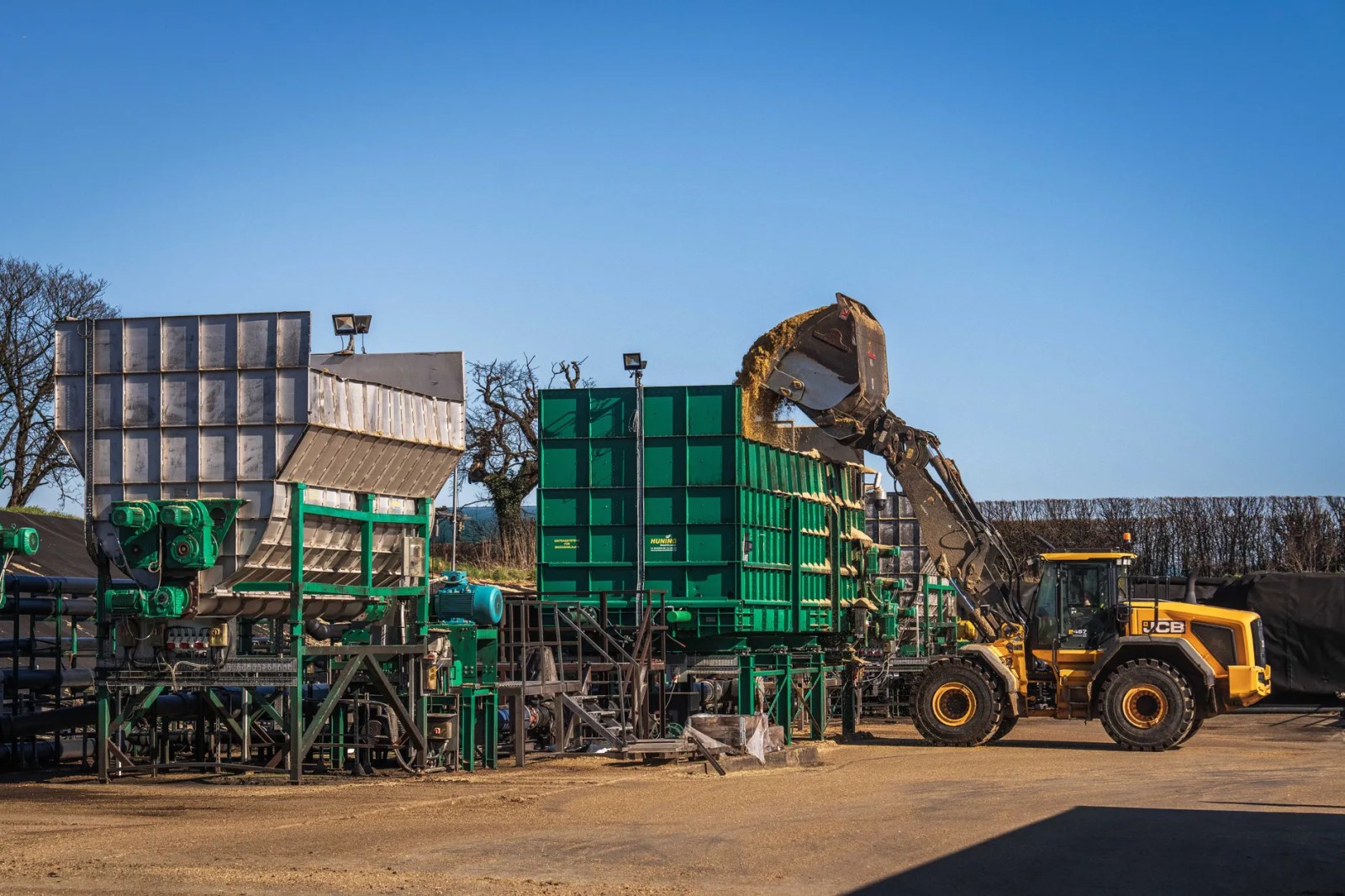
Yellow loader operating at a construction site with large green machinery under a clear blue sky. · Photo by Mark Stebnicki on Pexels · Original source · Pexels License · Resized and re-encoded as JPEG; full framing preserved.