





| Principle | Electrochemical storage |
|---|---|
| Parameters | Energy, power, and duration |
| Limit | Degradation and operating conditions |
Definition and context
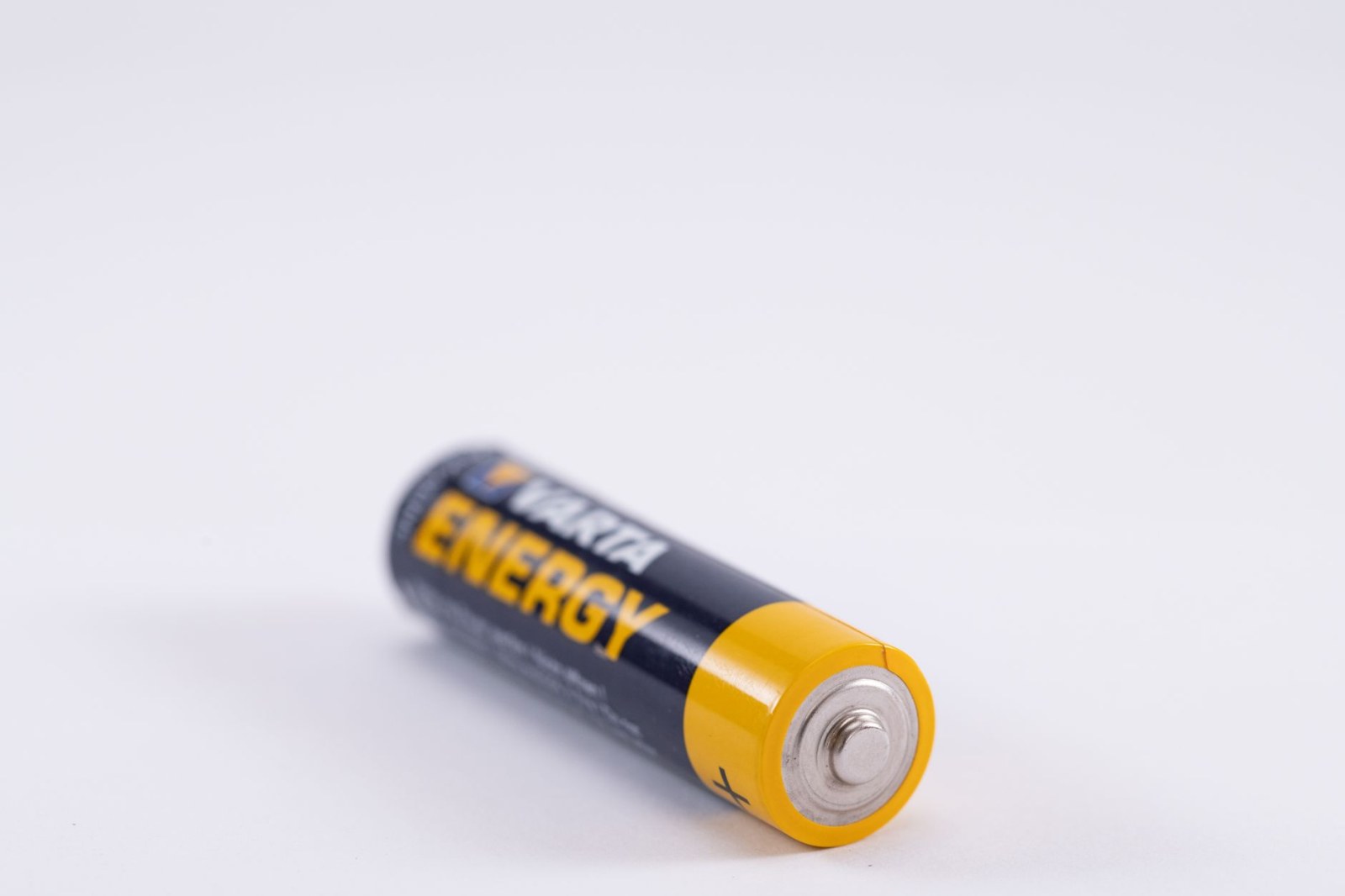
A rechargeable battery allows electrical energy to be used to restore an electrochemical state from which it can discharge again. Practical reversibility has limits: materials and interfaces can change over the course of use.
The capacity that matters depends on the application. In a portable system, we may prioritize mass and runtime; in another, power or duration under a given operating regime. That is why a comparison needs to describe the chemistry, test conditions, and end-of-life criterion. Saying that one battery outperforms another without those qualifications leaves the question incomplete. This entry explains the general function and does not provide instructions for opening, modifying, or repairing batteries.
What we know and its limits
Introductory reference sheet. Properties and applications depend on measurement conditions; consult the sources before making comparisons.
Follow the evidence
The original sources for exploring this explanation and its limits.
- DOE Explains… Batteries
U.S. Department of Energy
Electrochemical storage, movement of charges, and degradation. - Chemistry 2e · Batteries and Fuel Cells
OpenStax · Rice University
Principles and examples of electrochemical devices.
Image credits
Photo by mohamed abdelghaffar on Pexels · Original source · Pexels License