





Key ideas
- The MIT analysis estimates that peatland drainage contributed approximately 2.7% of warming caused by human activities.
- Drainage affects CO₂ and methane in opposite ways; the study incorporates emissions from the surface and from drainage ditches.
- Raising the water level could prevent some future warming, but not warming already caused; the estimate and models may still be revised.
Draining peatlands disrupts a climate balance that can take centuries to form, and its effects do not end when the land dries out. An analysis by researchers at the Massachusetts Institute of Technology (MIT) estimates that draining these ecosystems worldwide has contributed approximately 2.7% of current warming caused by human activities. The study, published in Nature, also estimates that keeping peatlands drained could nearly double the cumulative warming attributable to them by 2100, even if no new areas are drained.
The estimate comes from combining information about the extent and timing of drainage between 1800 and 2020 with emissions data and models of greenhouse gas fluxes. The result does not mean that peatlands are, overall, a net source of warming: in their natural state, their vegetation absorbs carbon dioxide, although soil microbes produce methane. According to MIT's explanation, the large amount of CO₂ removed from the atmosphere over thousands of years means that peatlands have an overall cooling effect.
A balance that changes as the water level falls
Peatlands are wet, oxygen-poor ecosystems where partially decomposed plant matter accumulates to form peat. The MIT excerpt notes that they store around 30% of the world's soil carbon, despite occupying only between 3 and 4% of Earth's land surface. Some of this carbon is preserved because waterlogged conditions slow decomposition.
When the land is drained, plant matter is exposed to more oxygen. Microbes decompose the dry soil and release carbon dioxide; this process can continue for hundreds of years. At the same time, drainage reduces methane emissions from microbes, although the channels that carry water away can also be an important source of this gas. Therefore, calculating the climate effect requires considering emissions that change in opposite directions, not just measuring the CO₂ released from the surface.
The source reports that peatland drainage has accelerated over the past 200 years, driven by agricultural, forestry, and other forms of development. Expansion has been especially pronounced in Southeast Asia and Europe. However, the global climate effect had been difficult to calculate: the challenge was to integrate how much land was drained, when it happened, and how emissions vary depending on peatland type and water conditions.
How they built the estimate
The team quantified the extent and timing of drainage between 1800 and 2020 and gathered emissions data from different types of drained peatlands to expand on the estimates published by the Intergovernmental Panel on Climate Change (IPCC) in 2013. The analysis included changes in gas fluxes both at the peat surface and in drainage ditches. The researchers then combined these datasets with greenhouse gas flux models to estimate the impact of drainage since 1800.
One element of the approach was to relate emissions fluxes to water-table depth, that is, the depth at which saturated water is found in the soil. This variable regulates low-oxygen conditions: changing it makes it possible to estimate how emissions would change relative to a reference scenario in which the peatland had not been drained.
| Aspect | What the MIT analysis describes |
|---|---|
| Drainage period considered | 1800–2020 |
| Drained land area | About 0.5% of the world's land surface |
| Share of total peatland area drained | Around 15% |
| Human-caused warming attributed to drainage | Approximately 2.7% |
| Projection if currently drained peatlands remain drained | Cumulative warming attributable to them could nearly double by 2100 |
The figures in the table are estimates reported by MIT based on the study; they are not independent measurements of one another or a prediction that total planetary warming will double. The projection refers to cumulative warming caused by drained peatlands.
What restoration could change
The researchers propose two measures: stopping new drainage and restoring already drained peatlands by raising their water levels. According to the source, restoring wetter conditions would not erase the warming that has already occurred, but it would prevent some of the warming these areas would add during this century. The idea is based on the link between water-table level, oxygen availability, and emissions: raising the water level can limit the peat's exposure to conditions that promote its decomposition.
The scope of this response should be described carefully. The available material does not quantify how much warming restoration would prevent in different locations or how long it would take to have an effect. Nor does it indicate that raising the water level would immediately eliminate all emissions: the key finding is that drained peatlands can continue releasing CO₂ for centuries and that restoration would prevent some future warming, not warming that has already accumulated.
The team notes that emissions models will continue to be improved and that it will study other peatland factors in addition to water depth. Therefore, 2.7% should be read as an estimate based on the data and models described, not as a definitive figure. NSF's institutional information explains, in general terms, that the agency supports scientific and engineering research, but does not provide independent verification of this result. Its page on materials research covers a different field and is not relevant evidence for the peatland analysis. NSF: mission and research support · NSF: materials research
What we know and its limits
The 2.7% figure and the projection for 2100 are estimates that depend on the data and models described by MIT. The available material does not quantify the effects of restoration by region or the time needed for them to become apparent. NSF's institutional page provides general context about research support, not independent confirmation of the study; its materials resource is not relevant to assessing this finding.
Original sources3
The original sources for exploring this explanation and its limits.
- Studies and Results: How NSF Supports Research NSF
-
How research into materials is organized and what it produces
NSF
Institutional reference for context. It does not constitute independent confirmation of the main source's findings. - Draining peatlands leaves a long legacy of warming MIT
Image credits
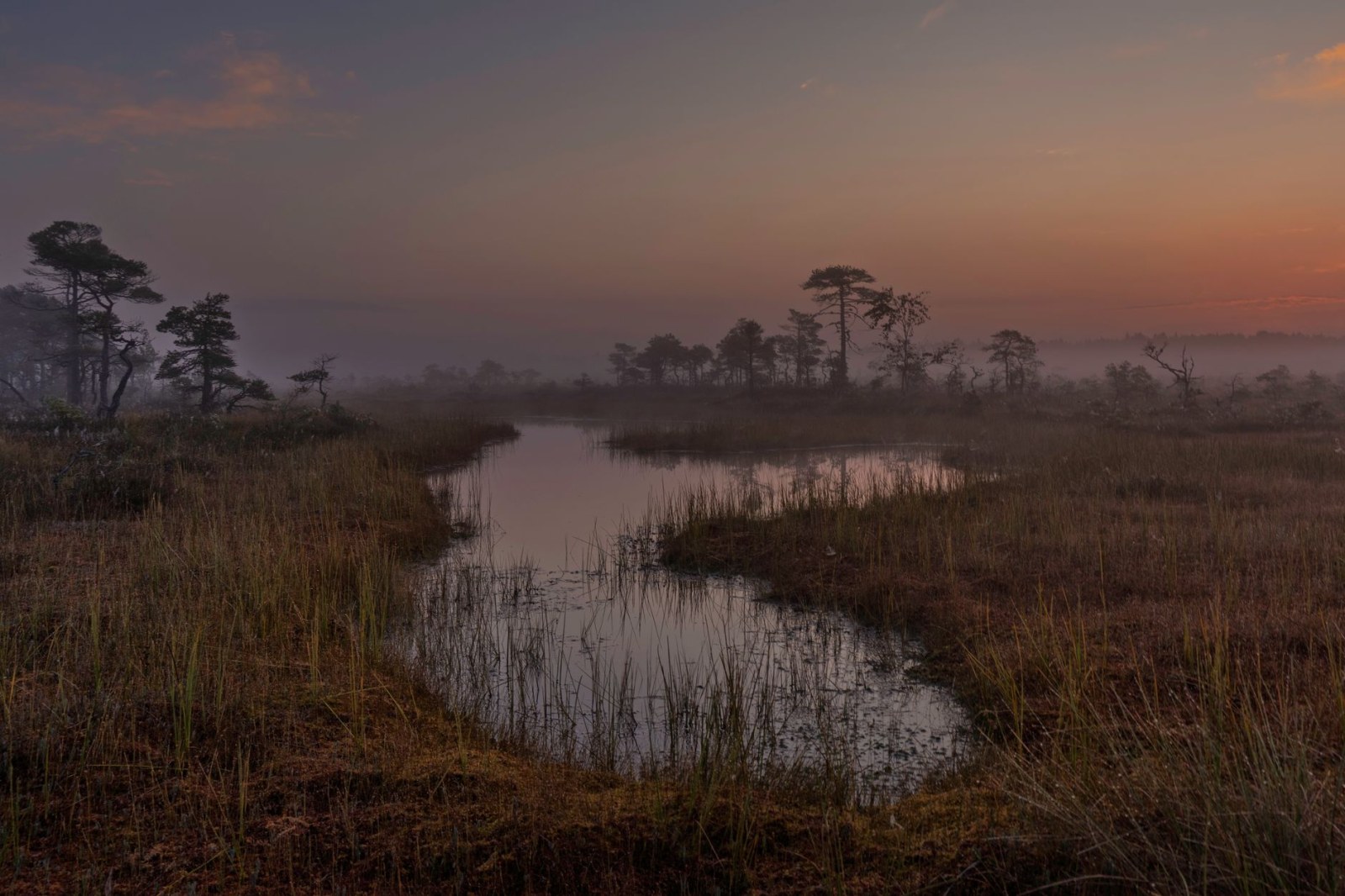
Serene view of Mukri Bog at sunrise with misty landscape and calm waters. · Photo by Raul Ling on Pexels · Original source · Pexels License · Resized and re-encoded as JPEG; full framing preserved.