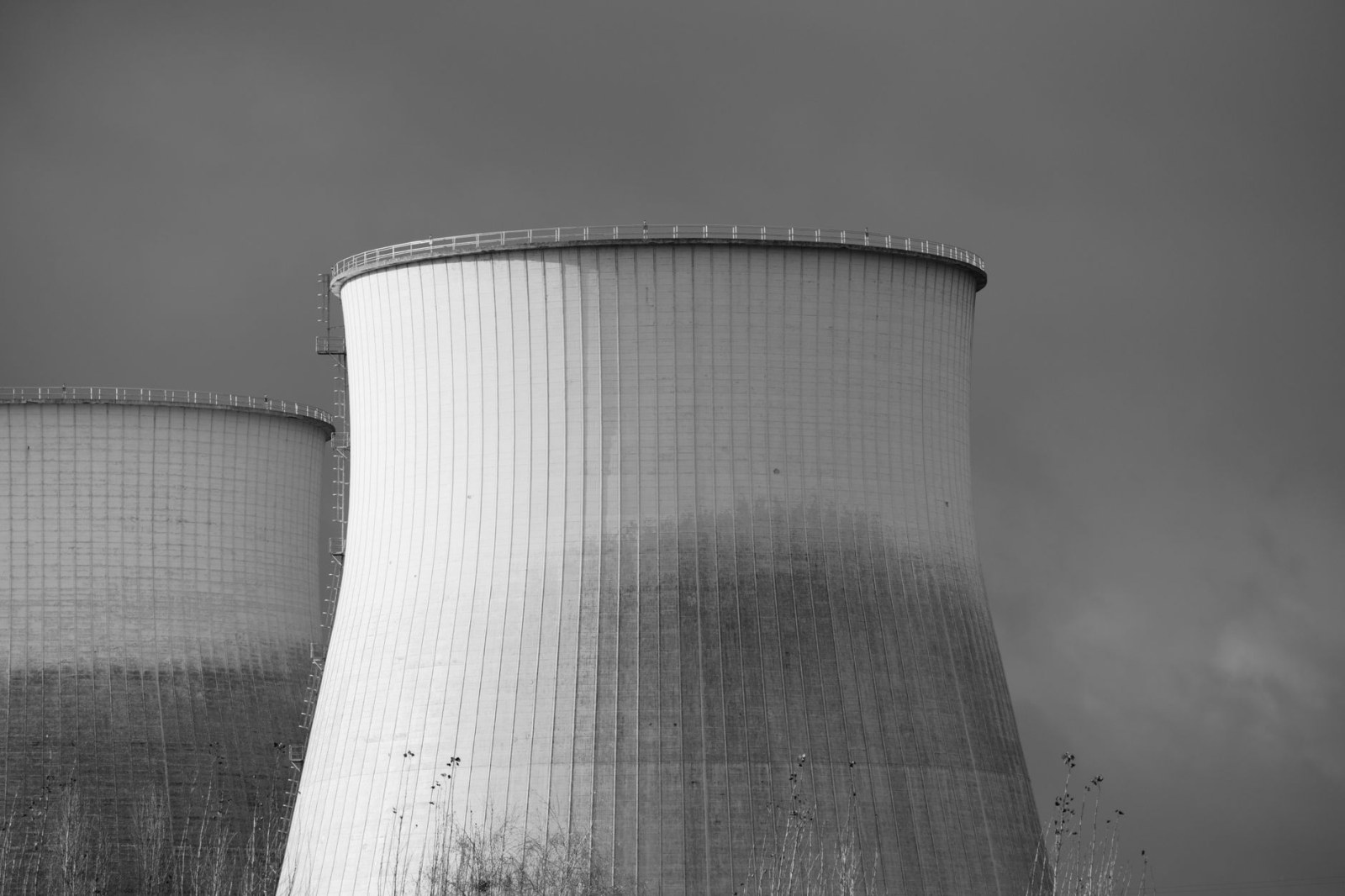
Nuclear energy: how a reactor converts fission into electricity
The U.S. Department of Energy explains how uranium fission produces heat and how pressurized-water and boiling-water reactors use different paths for water and steam to drive a turbine.

Discover scientific developments in physics, energy, climate, and materials, explained with original sources, context, and limitations.
The U.S. Department of Energy explains how uranium fission produces heat and how pressurized-water and boiling-water reactors use different paths for water and steam to drive a turbine.
CERN’s institutional history traces how a theory group created to plan a laboratory combined research, scientific collaboration, and exchange with experimentalists, and links that trajectory with the organization of particles in the Standard Model.
EIA mentions that some power plants may require cooling water supplies, but the excerpt does not quantify their use. Therefore, it does not allow us to determine or compare the water footprint of electricity generation.
At Mauna Loa, NOAA measures the dry-air mole fraction of CO₂: a way of quantifying the gas that prevents changes in temperature, pressure, or water vapor from distorting the comparison.
EPA describes the circular economy as a model that keeps materials and products in circulation, reduces resource use and recovers materials to make new products.
CERN describes research based on cooperation among countries, universities, and scientists, with staff supporting the infrastructure and scientific communities participating in experiments and data analysis.
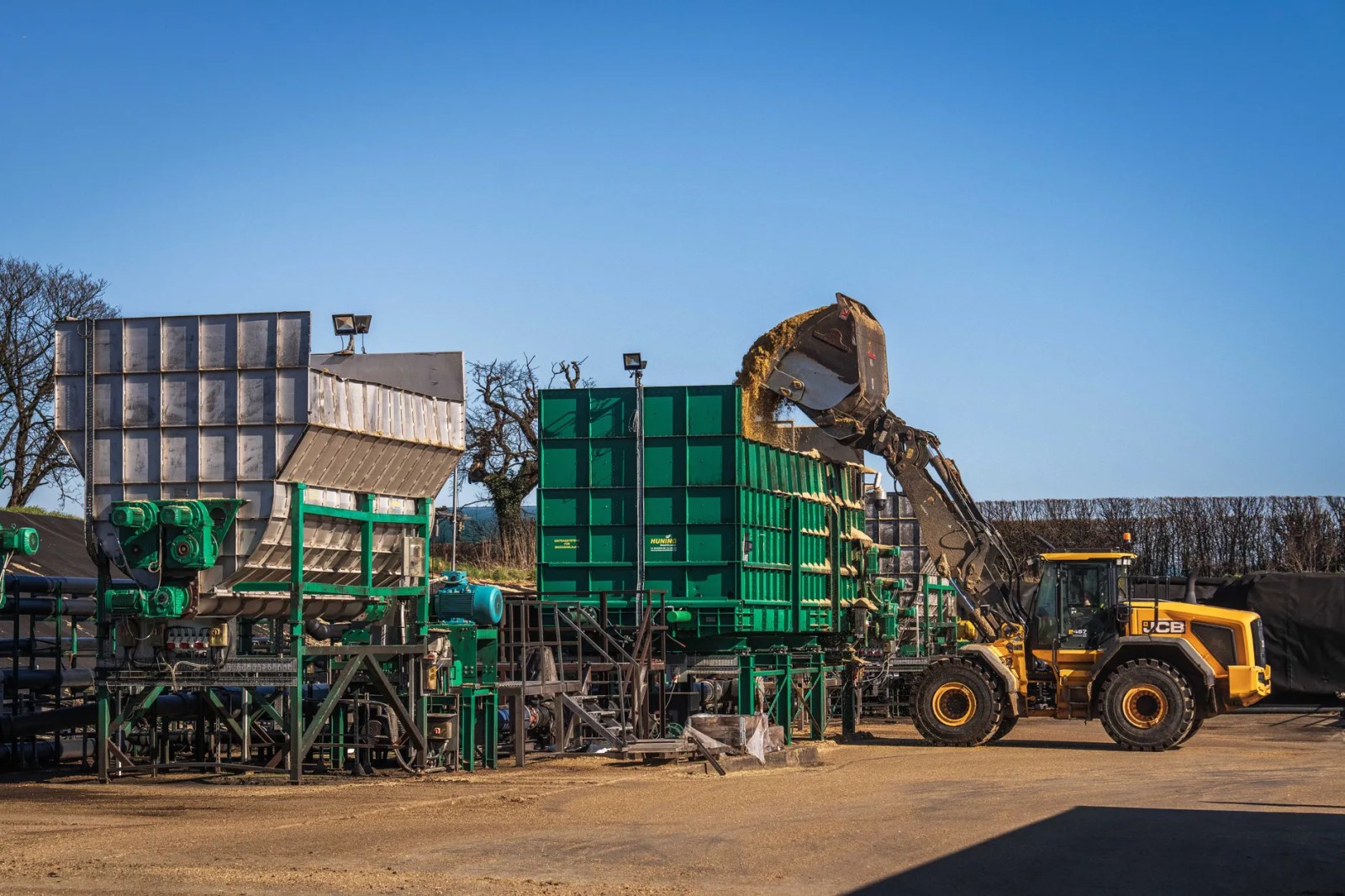
The EIA describes biomass as renewable organic matter of plant and animal origin that can be burned directly or converted into solid, liquid, and gaseous fuels through various processes.
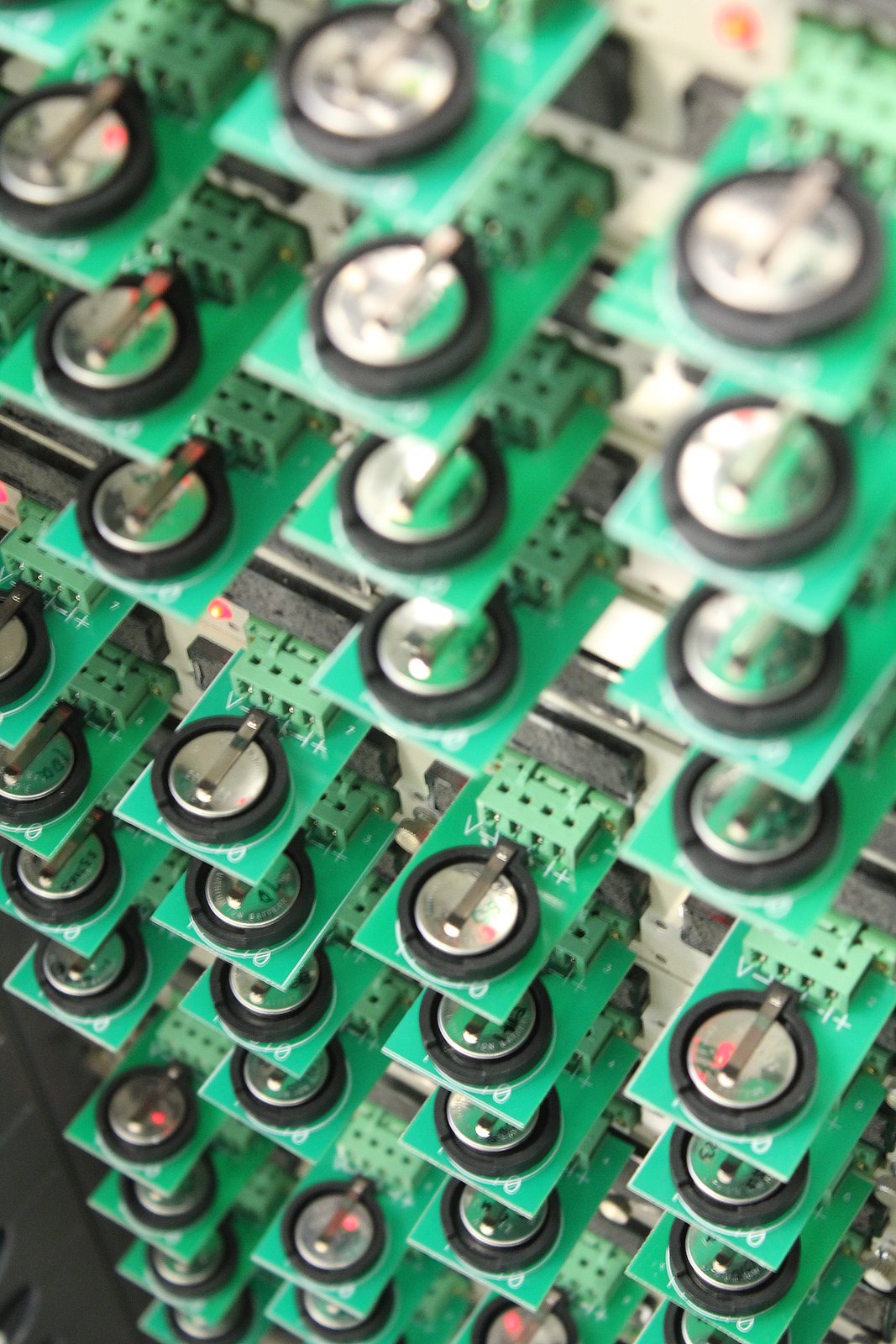
Electrons on the outside, ions on the inside: an explanation of electrochemical storage and its limits.
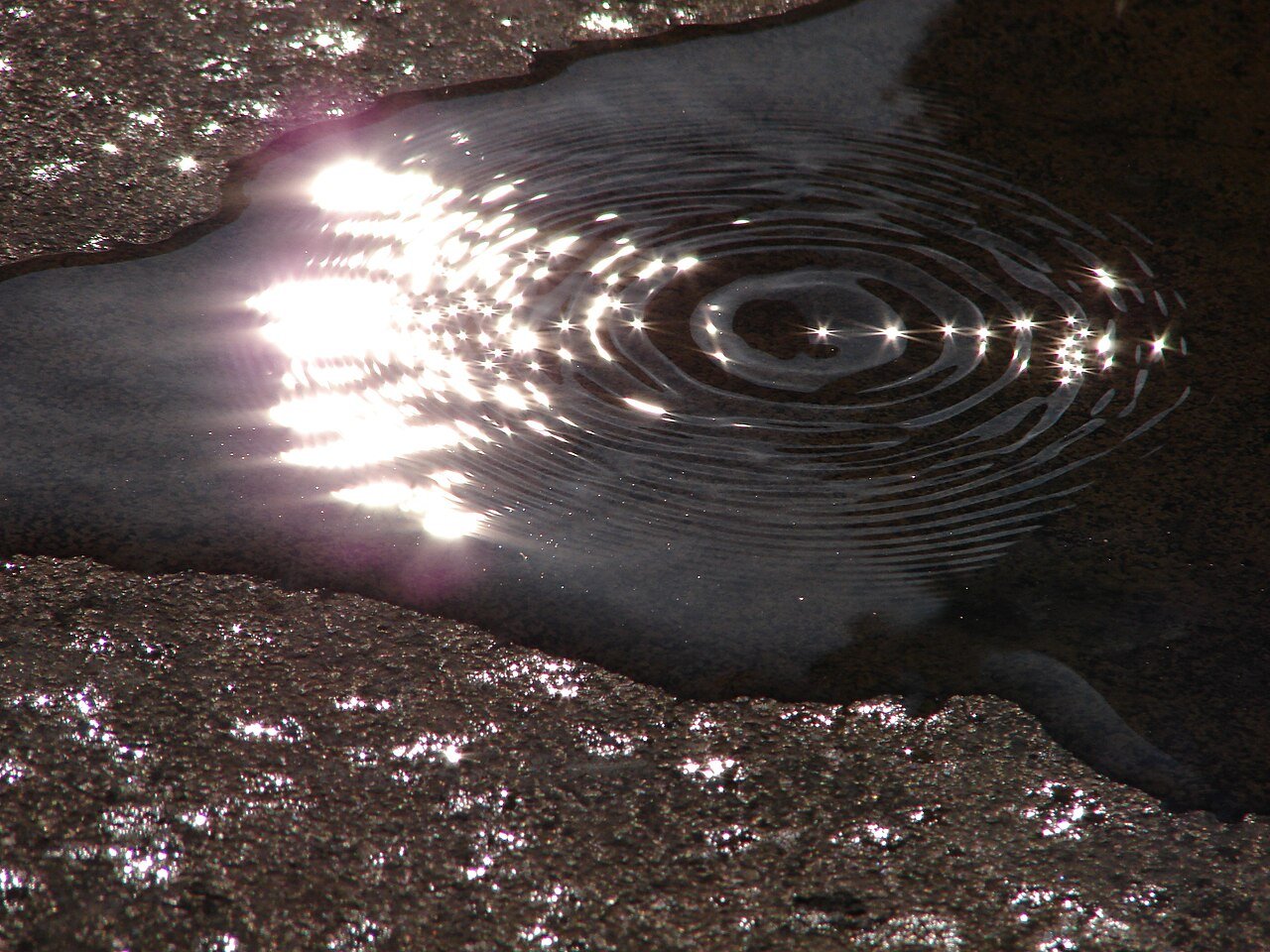
From a string to sound: amplitude, frequency, and wavelength explained without confusing their roles.
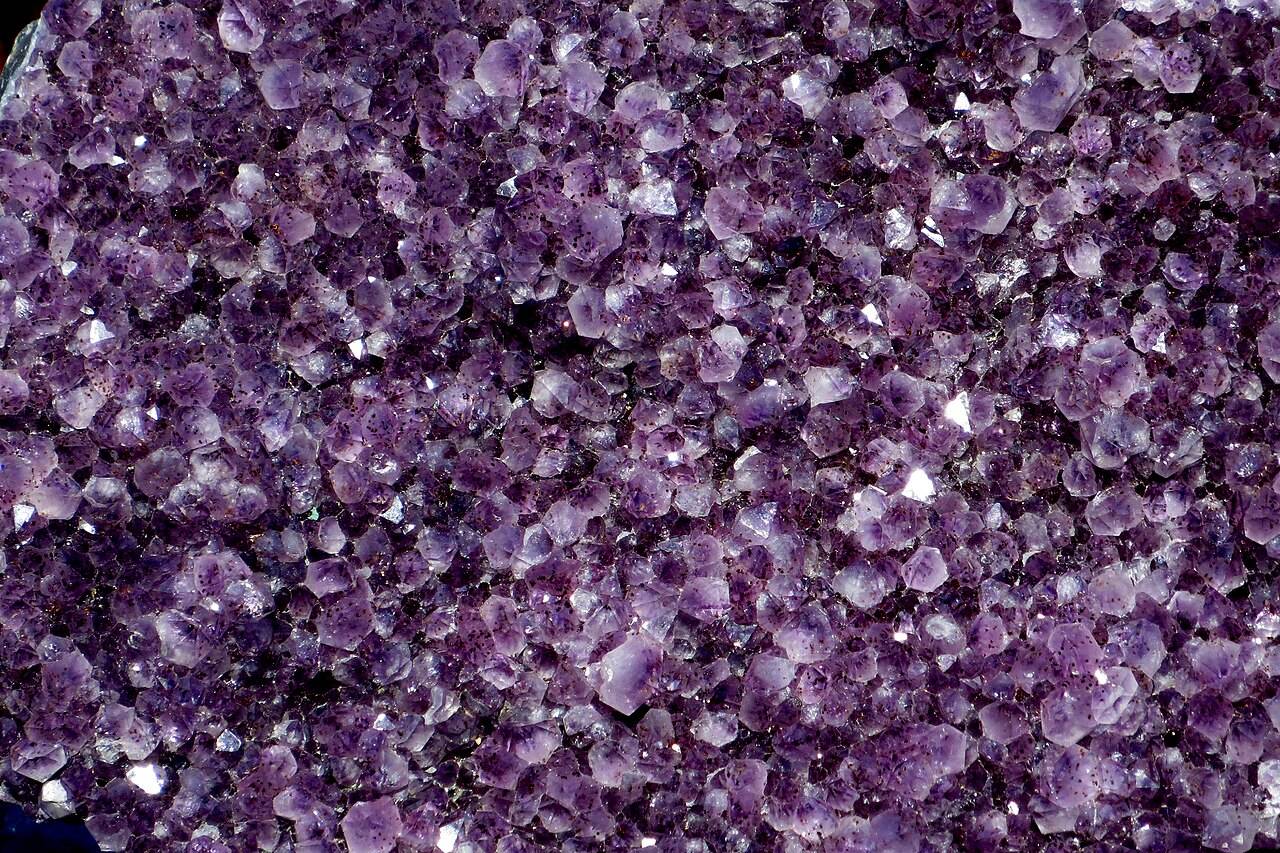
Seismic waves, minerals, and gravity allow us to test an image of a planet we cannot observe directly.