




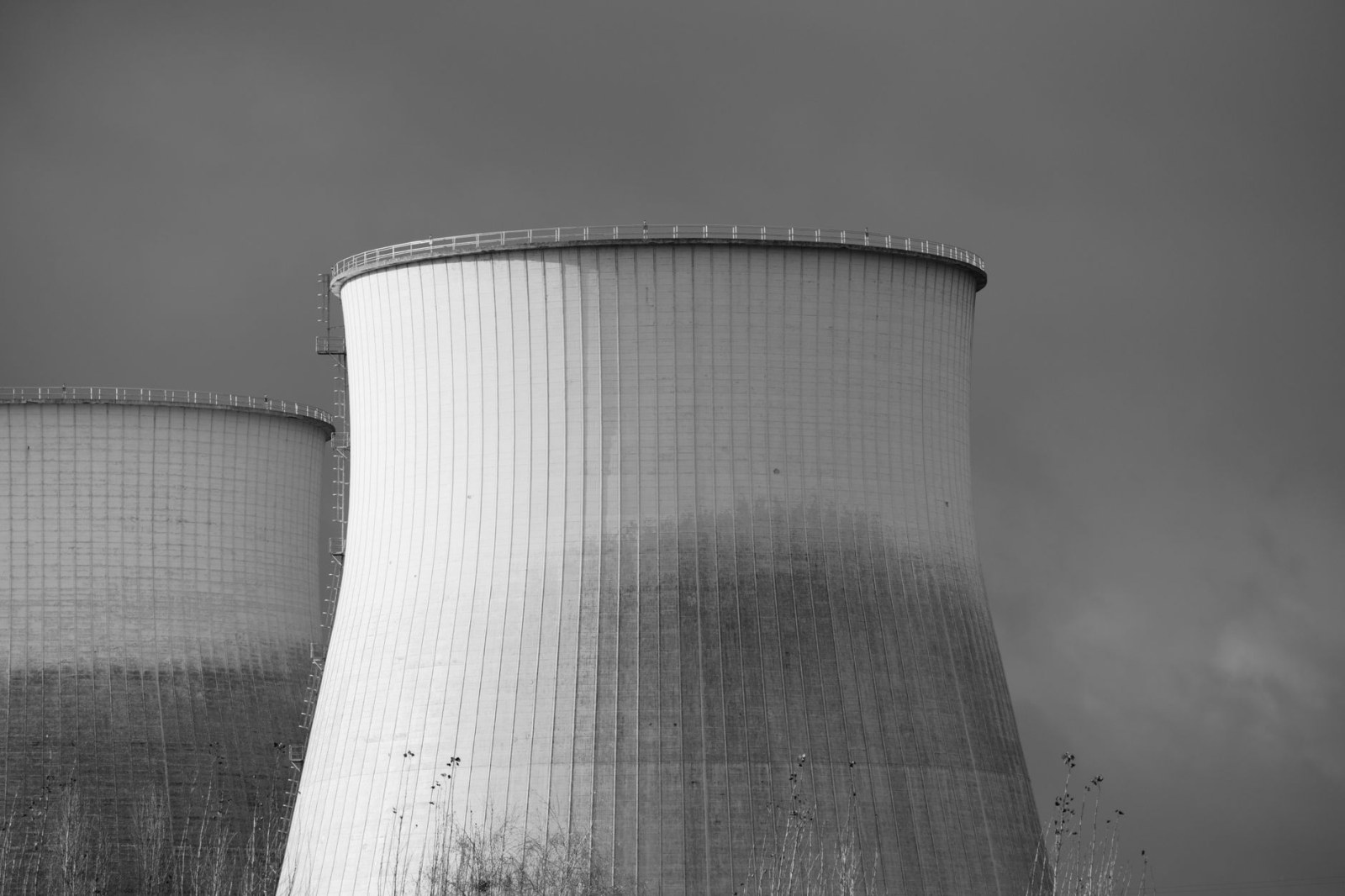
Nuclear energy: how a reactor converts fission into electricity
The U.S. Department of Energy explains how uranium fission produces heat and how pressurized-water and boiling-water reactors use different paths for water and steam to drive a turbine.
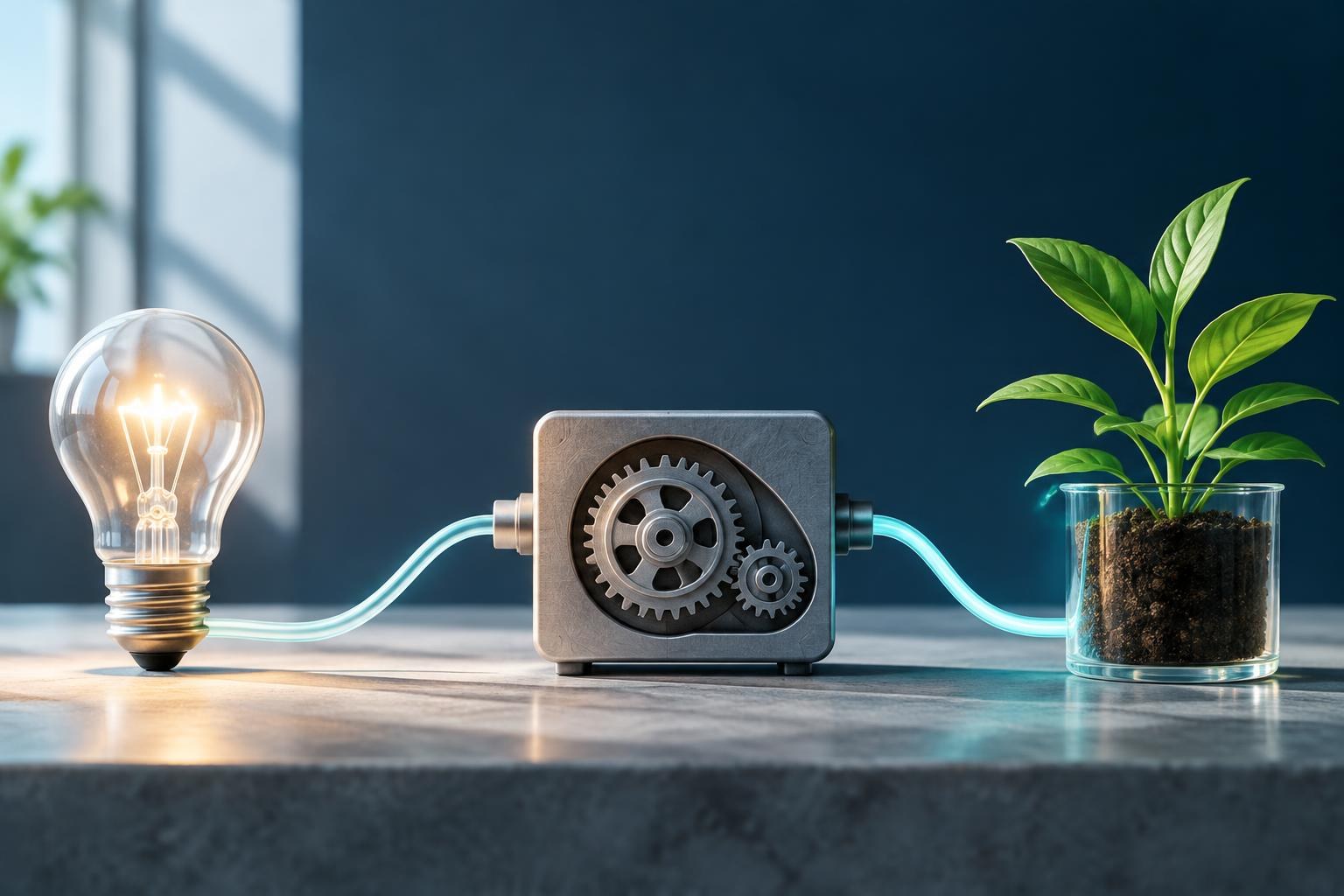
Understand how energy is transformed, stored, and used: batteries, renewables, power, consumption, and efficiency, with scientific context.
The U.S. Department of Energy explains how uranium fission produces heat and how pressurized-water and boiling-water reactors use different paths for water and steam to drive a turbine.
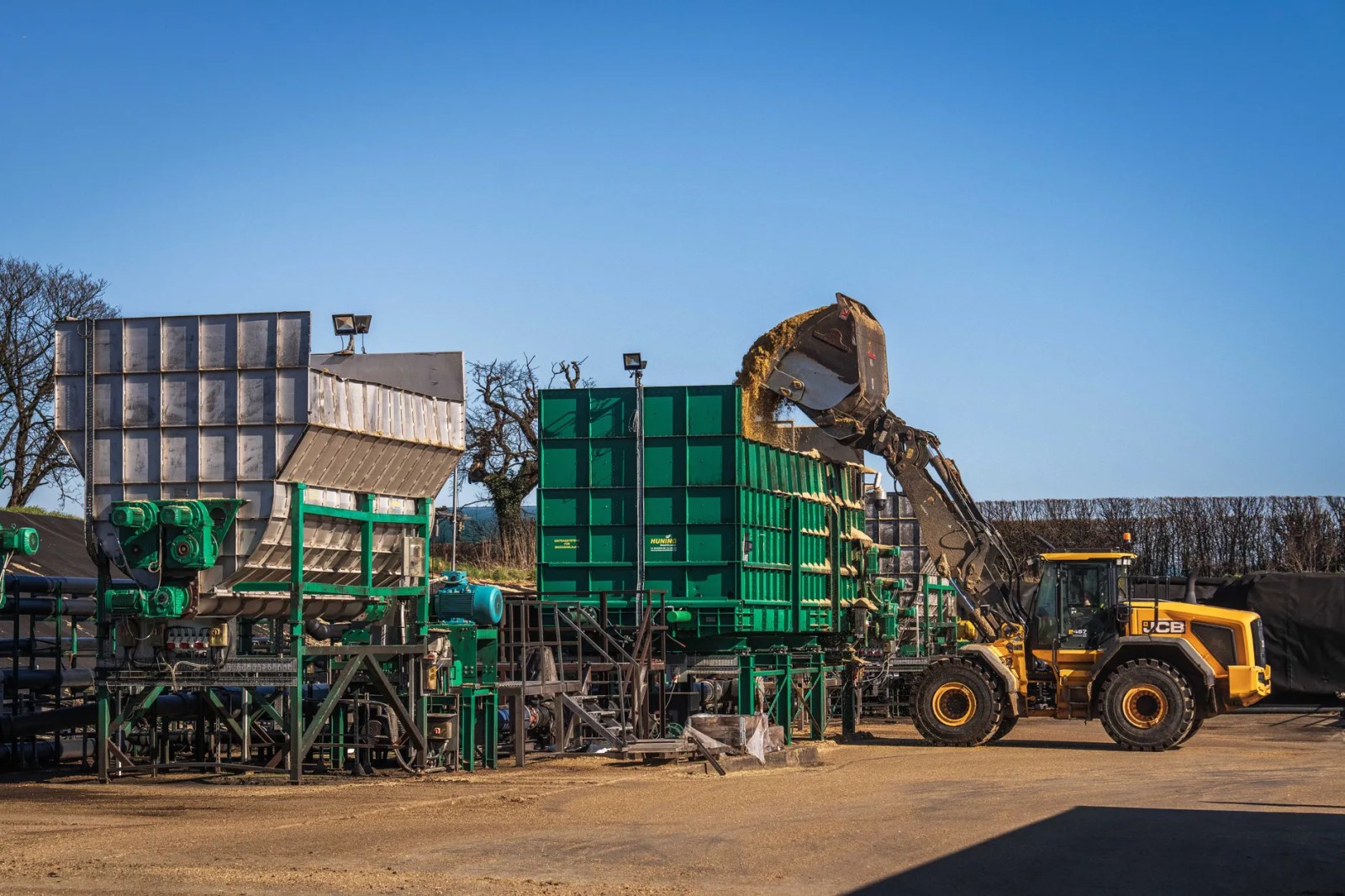
The EIA describes biomass as renewable organic matter of plant and animal origin that can be burned directly or converted into solid, liquid, and gaseous fuels through various processes.
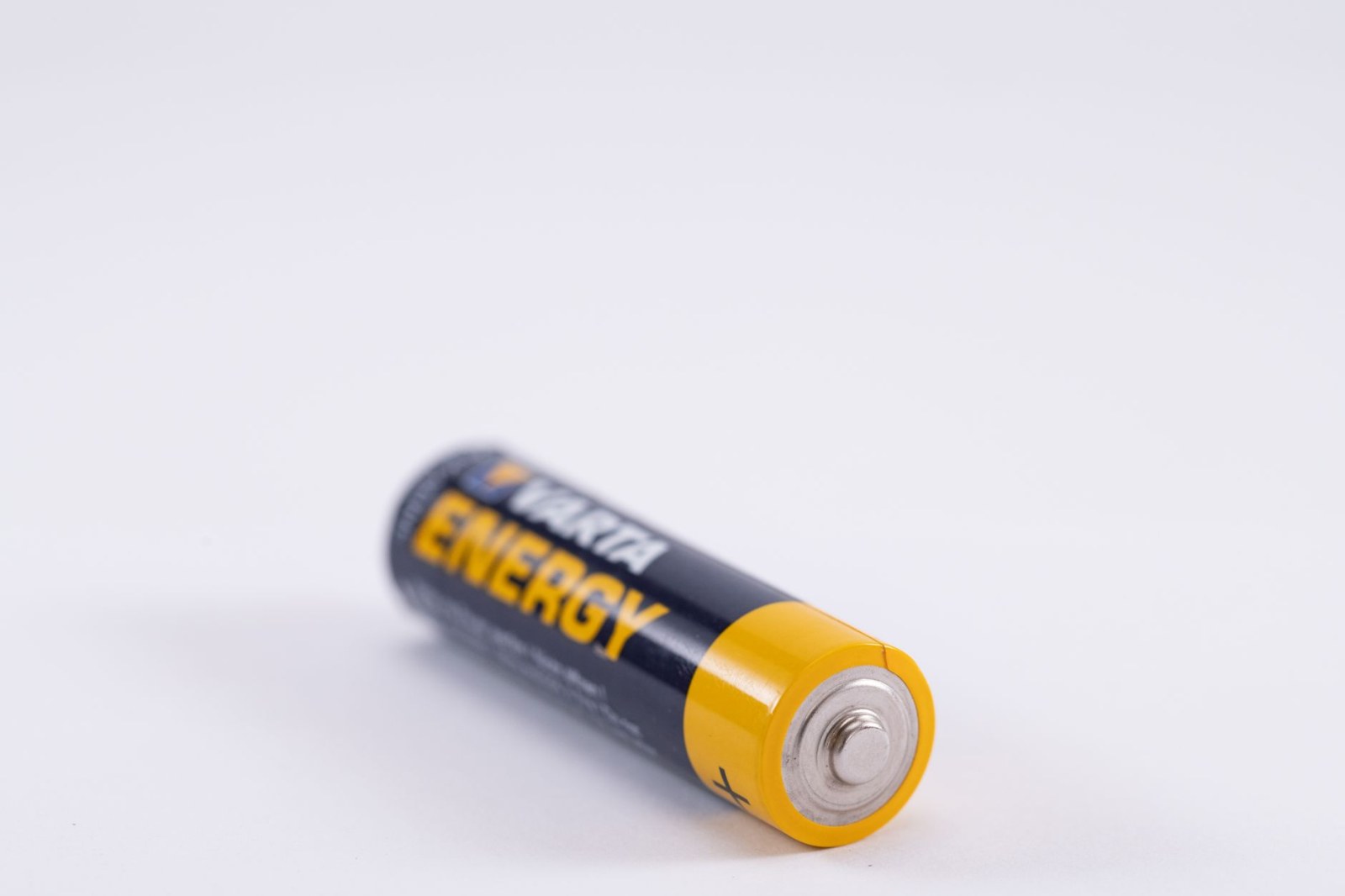
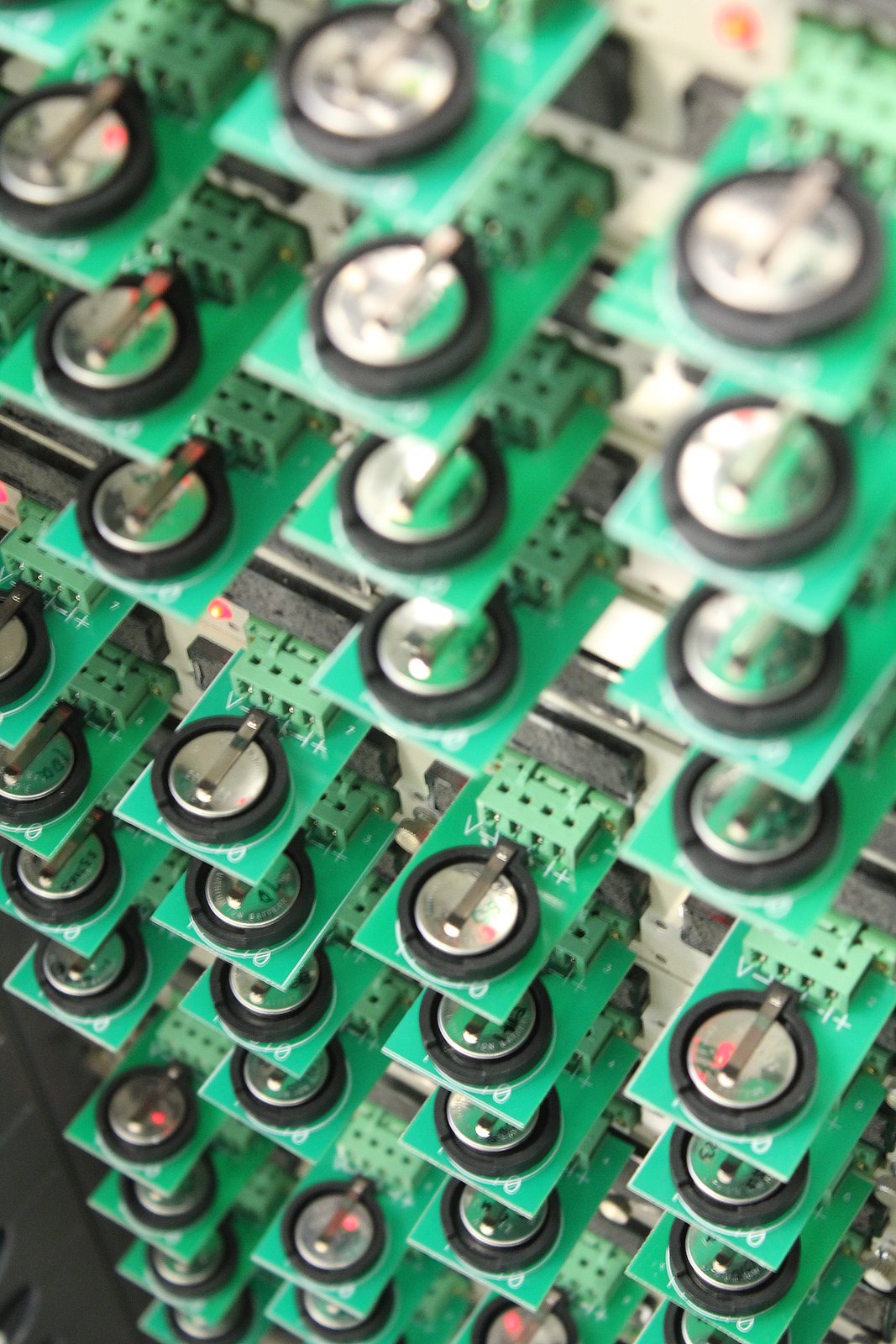
Electrons on the outside, ions on the inside: an explanation of electrochemical storage and its limits.
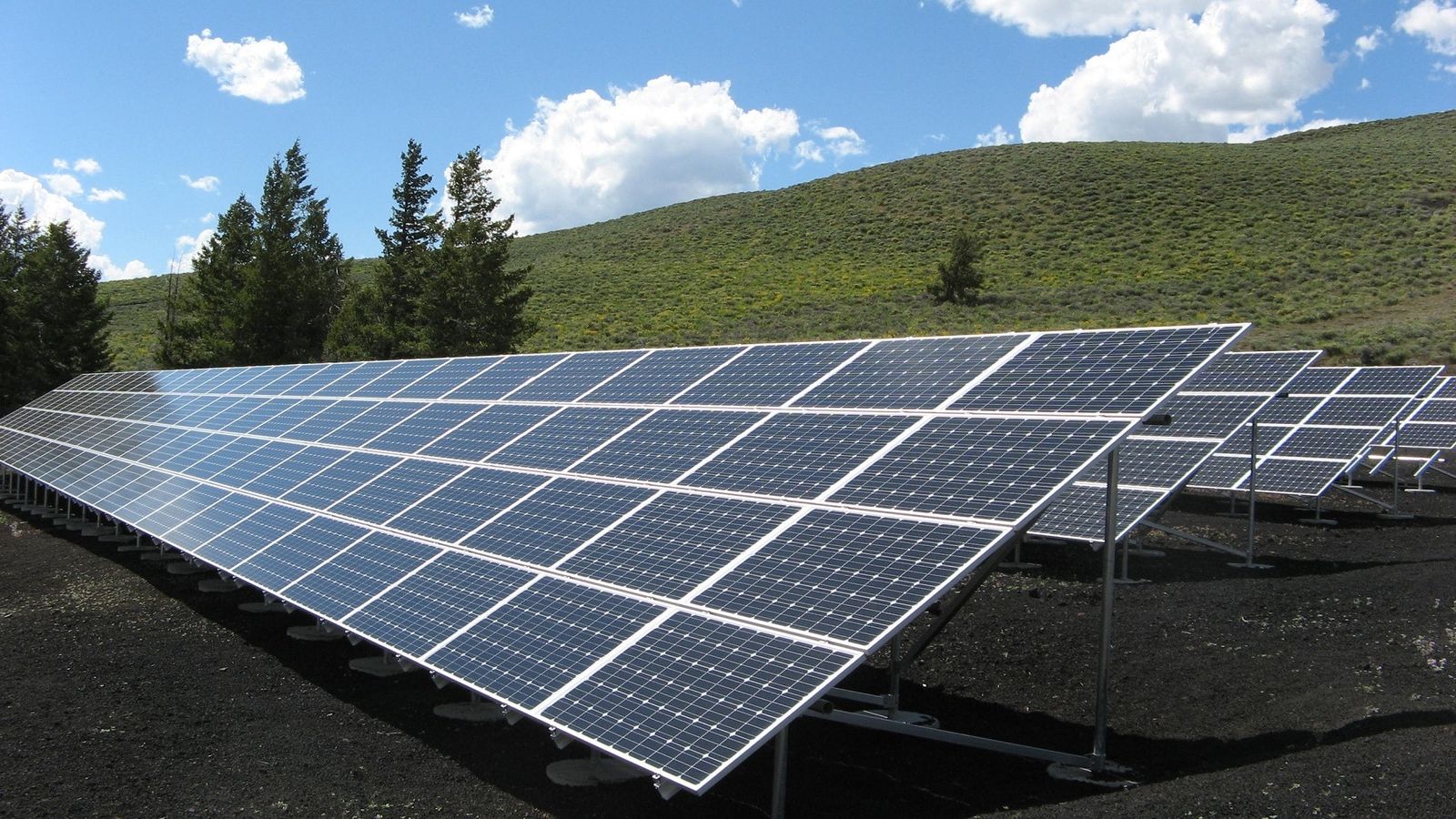
Transforming light into electricity, producing energy, and making use of a roof are related questions, but different ones.
Unit of power equivalent to one joule per second.
Explore this reference Quantity and unit · EnergyUnit of energy that combines power and a time interval.
Explore this reference Technology · EnergyA device that stores energy through partially reversible electrochemical processes.
Explore this reference Technology · EnergyA semiconductor device that converts part of the light it receives into electrical energy.
Explore this reference Concept · EnergyThe relationship between a useful output and the corresponding input within a defined system.
Explore this reference