How NOAA measures atmospheric CO₂ at Mauna Loa
At Mauna Loa, NOAA measures the dry-air mole fraction of CO₂: a way of quantifying the gas that prevents changes in temperature, pressure, or water vapor from distorting the comparison.
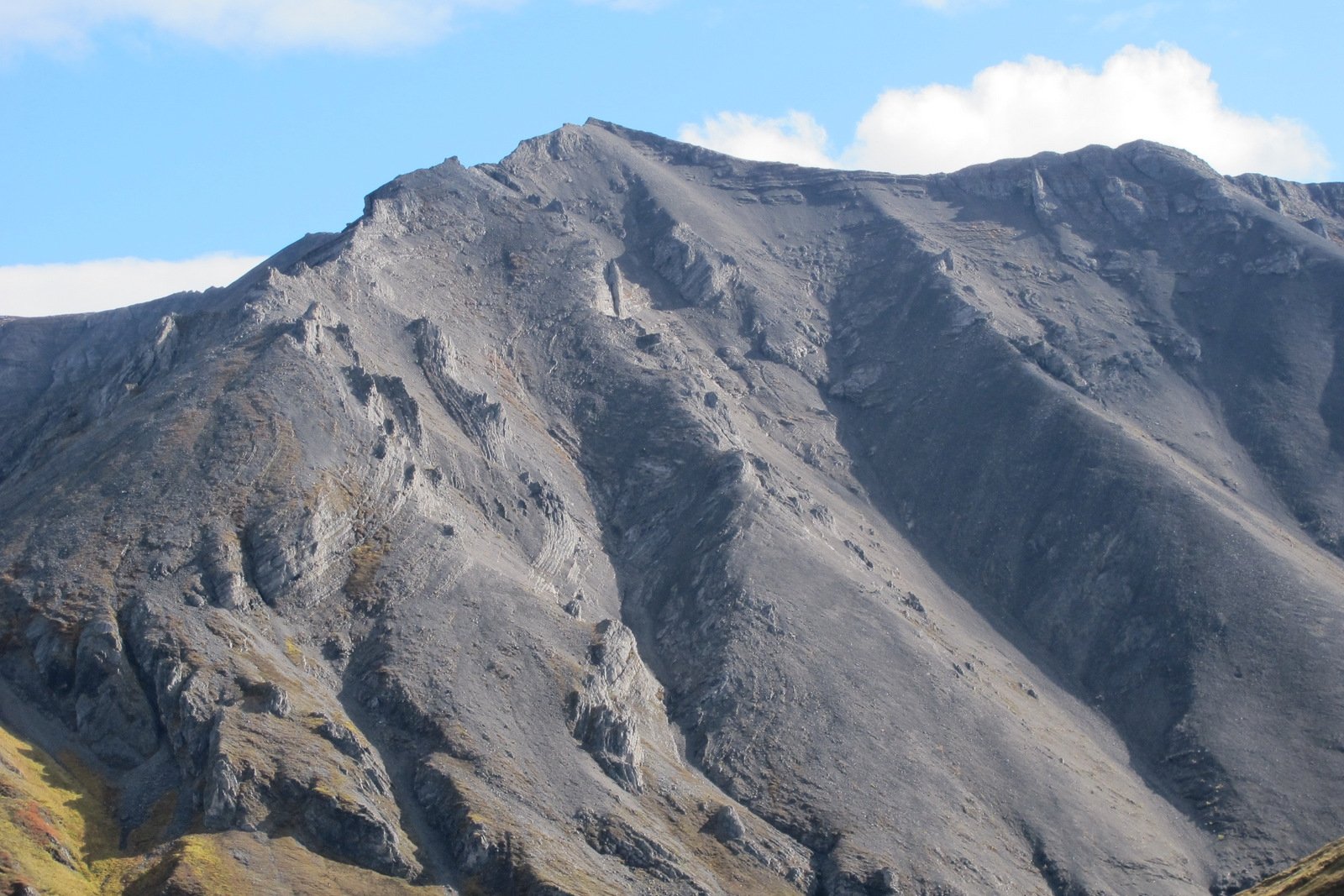
Explore Earth’s structure, climate, and its changes through explanations, indicators, and authoritative scientific sources.
At Mauna Loa, NOAA measures the dry-air mole fraction of CO₂: a way of quantifying the gas that prevents changes in temperature, pressure, or water vapor from distorting the comparison.
Zero on a climate graph is a reference point. Learning to read it changes how we interpret the entire curve.
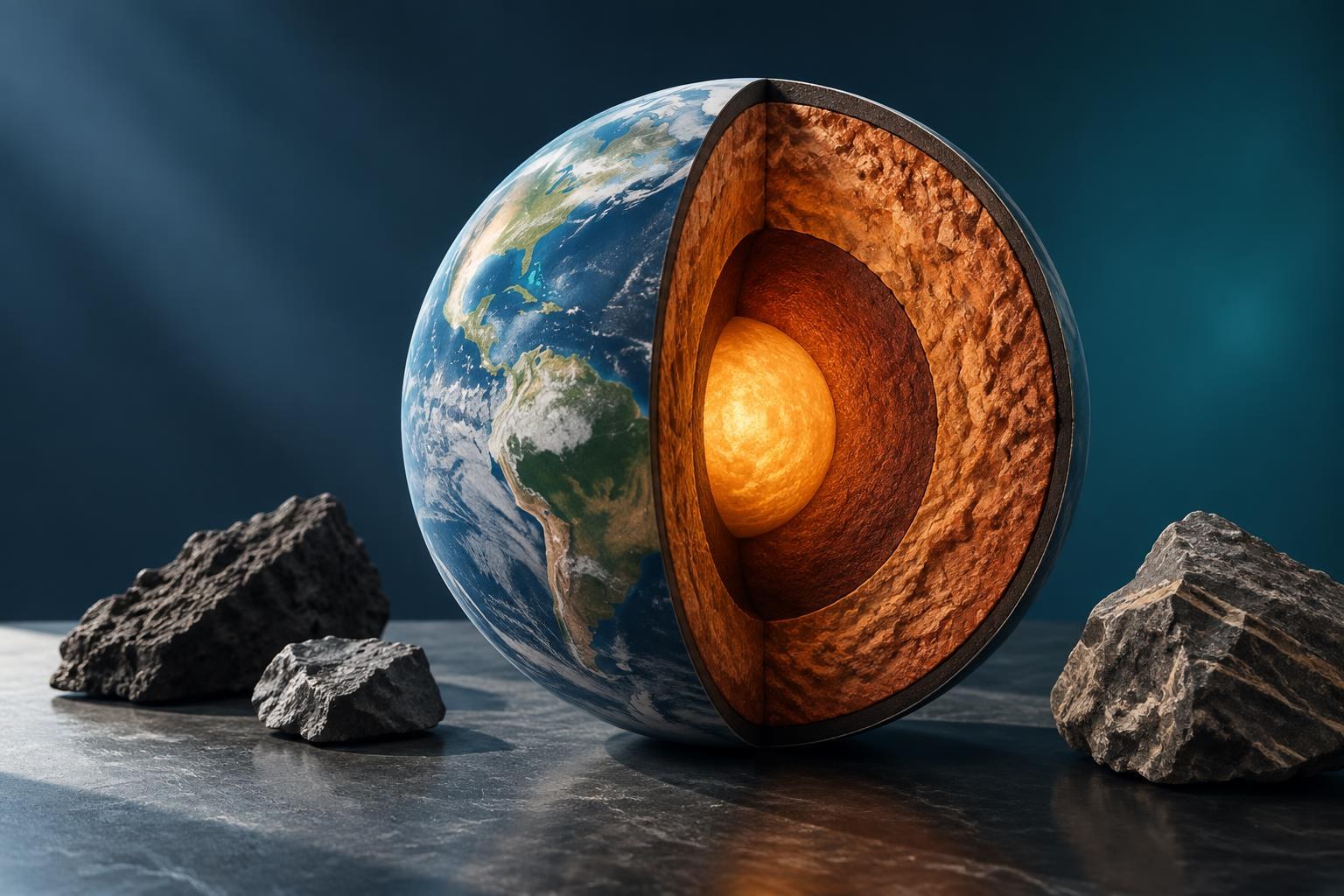
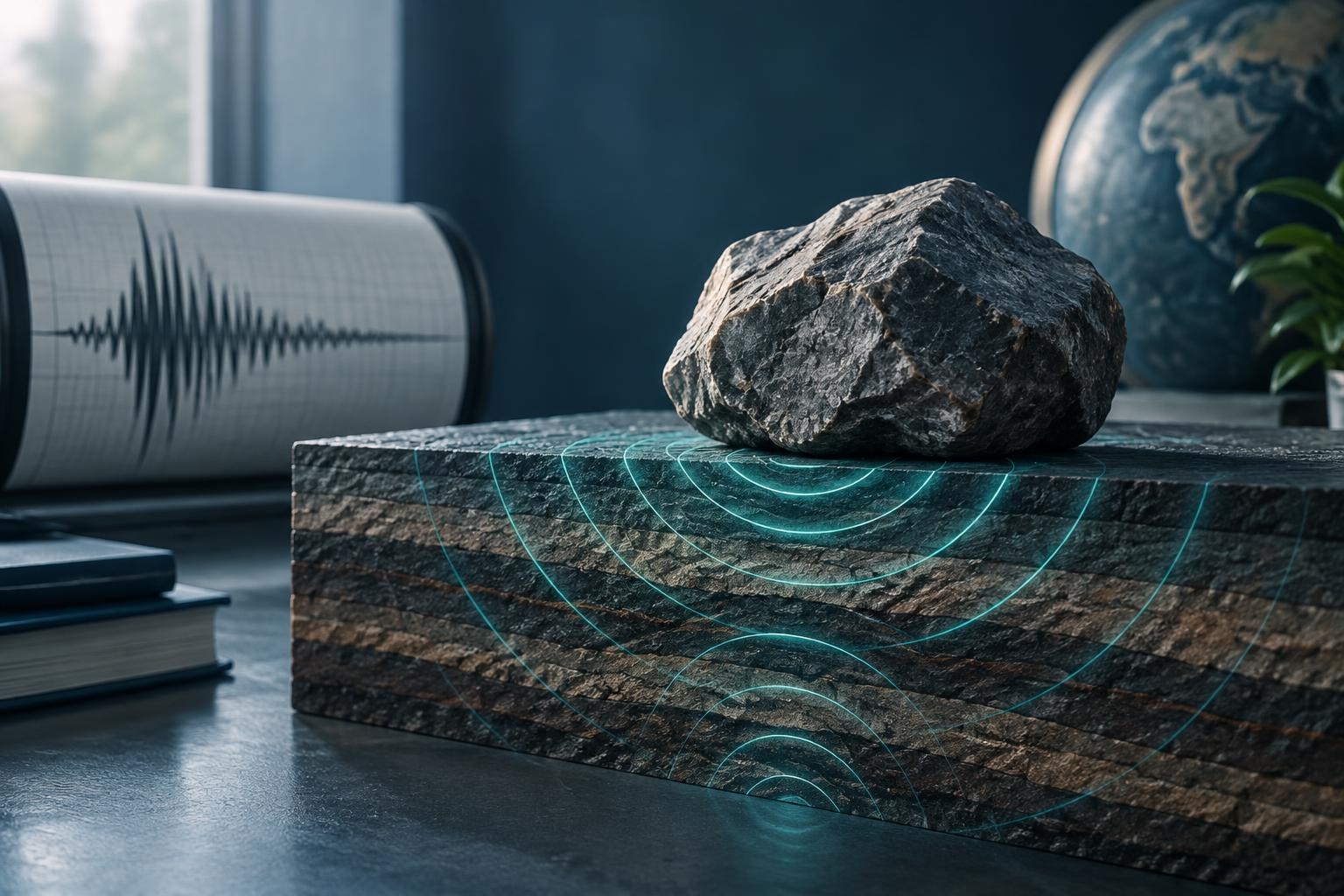
Seismic waves, minerals, and gravity allow us to test an image of a planet we cannot observe directly.
Difference between a temperature and a reference for the same type of period.
Explore this reference Concept · Earth and climateTime interval used to construct a comparison baseline.
Explore this reference Concept · Earth and climateEarth’s outer layer in the classification by composition.
Explore this reference Concept · Earth and climateRegion between the crust and core, composed mostly of solid rock.
Explore this reference Concept · Earth and climateCentral metallic region with a liquid outer part and a solid inner part.
Explore this reference Concept · Earth and climateMechanically rigid layer that includes the crust and part of the upper mantle.
Explore this reference Method · Earth and climateStudy of seismic waves and the information they provide about their sources and the media they travel through.
Explore this reference Institution · Earth and climateU.S. scientific agency that publishes observations and products about the ocean and atmosphere.
Explore this reference Institution · Earth and climateU.S. geological survey that publishes information and resources about Earth sciences.
Explore this reference